- Veterinary PCD & Third Party Pharma Manufacturing Company in India
- +91 9034925440
- vetsonhealthcare@gmail.com


Veterinary Products Manufacturers – Vetson Healthcare

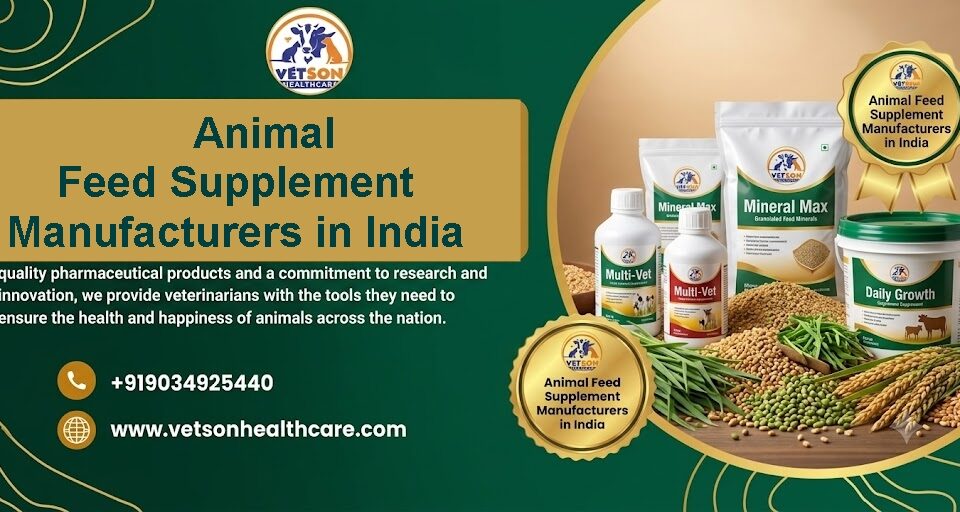
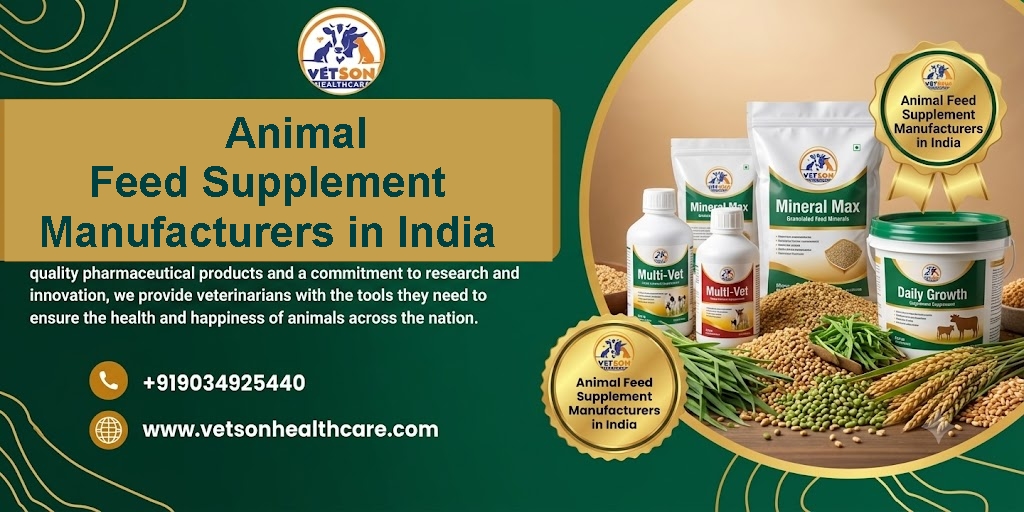
Animal Feed Supplement Manufacturers in India
December 30, 2025
Best Veterinary Medicine Manufacturers in India
January 31, 2026
This concept, often referred to as “One Health,” highlights the critical necessity of maintaining robust animal health standards to protect public health and ensure food security. At the very center of this ecosystem are the veterinary products manufacturers, the specialized entities responsible for the research, development, and large-scale production of the medicines and tools that keep our animal populations thriving. From the smallest companion pets to the largest livestock herds, the innovations emerging from these manufacturing facilities are the primary defense against disease, malnutrition, and suffering.
The Evolution and Scope of Veterinary Manufacturing
The journey of veterinary medicine has transitioned from basic herbal remedies and primitive surgical interventions to a highly sophisticated, multi-billion-dollar global industry. Modern manufacturing in this sector is no longer just about mass-producing pills; it involves high-level biotechnology, genetic research, and precision engineering. Veterinary products manufacturers today operate at a level of complexity that mirrors, and sometimes exceeds, human pharmaceutical production. They must account for the unique physiological differences between species—what works for a canine might be toxic to a feline, and what treats a bovine might be ineffective for a bird.
This diversity requires a massive range of products, including:
- Pharmaceuticals: Antibiotics, anti-inflammatory drugs, and pain management solutions.
- Biologicals: Vaccines and serums designed to provide immunity against viral and bacterial threats.
- Diagnostic Tools: Rapid test kits and imaging agents that allow for early disease detection.
- Disinfectants and Hygiene Products: Essential for biosecurity on farms and in clinical environments.
Research and Development: The Heart of Innovation
The creation of a new veterinary product begins long before the factory floor. It starts in the laboratory, where scientists analyze pathogens and metabolic pathways. For leading veterinary products manufacturers, innovation is the only way to stay ahead of emerging threats like antimicrobial resistance (AMR) and zoonotic diseases.
R&D teams focus on improving the “delivery systems” of medicines. For instance, creating long-acting injectables for cattle reduces the stress of frequent handling, while flavored chewable tablets for dogs ensure that pet owners can administer medication without a struggle. This focus on “ease of use” combined with “clinical efficacy” is a hallmark of a top-tier manufacturer. Furthermore, the shift toward biologicals—using the animal’s own immune system to fight disease—is reducing the world’s reliance on traditional chemical drugs.
Strict Quality Standards and Global Compliance
One of the most significant challenges and responsibilities of veterinary products manufacturers is adhering to stringent regulatory frameworks. Unlike many other consumer goods, veterinary products are governed by international standards such as Good Manufacturing Practices (GMP) and World Health Organization (WHO) guidelines.
Quality control is not a single step but a continuous process. It begins with the testing of raw materials for purity and continues through every stage of the formulation, packaging, and distribution. Manufacturers must ensure that their products are stable under various climatic conditions—a product manufactured in a temperate climate must still be effective when used in a tropical region. This reliability is what builds trust with veterinarians and farmers who depend on these products for their livelihoods.
Meeting the Demands of a Changing World
The demand for high-quality veterinary care is rising due to two major global trends. First, the “pet humanization” movement in urban centers has led to a surge in demand for advanced healthcare for companion animals. Owners are now seeking treatments for chronic conditions like cancer, diabetes, and heart disease in their pets.
Second, the global population growth is putting immense pressure on the livestock sector to produce more protein with fewer resources. Veterinary products manufacturers are responding by creating productivity-enhancing solutions that do not compromise animal welfare. By preventing diseases like Foot-and-Mouth Disease or Avian Influenza, these manufacturers protect the global food supply chain from catastrophic disruptions.
The Role of Technology in Modern Facilities
The Manufacturing plants of 2026 are highly automated environments. Robotics and AI are used to ensure precision in dosing and to eliminate human error during the packaging process. Advanced filtration systems ensure that the production of sterile injectables is conducted in “cleanroom” environments that meet the highest surgical standards.
Moreover, digitalization has allowed for better traceability. In the rare event of a product defect, manufacturers can now trace a specific batch back to its raw material source and forward to the specific clinic or farm where it was delivered. This level of transparency is essential for maintaining safety standards in a globalized market.
Sustainability and the Future of Veterinary Production
As we move forward, the environmental impact of manufacturing is coming under intense scrutiny. The leading veterinary products manufacturers are adopting “Green Chemistry” principles. This involves reducing waste during the synthesis of active ingredients, using biodegradable packaging, and optimizing energy consumption within the factories.
There is also a growing interest in herbal and botanical alternatives. By integrating traditional knowledge with modern extraction techniques, manufacturers are producing “Phyto-vets”—plant-based products that offer therapeutic benefits with minimal side effects. This holistic approach is gaining traction among organic farmers and pet owners who prefer natural wellness solutions.
Conclusion
The world of veterinary medicine is a silent guardian of our global stability. Without the tireless work of veterinary products manufacturers, our food systems would be vulnerable, our pets would lead shorter lives, and the risk of pandemics jumping from animals to humans would be significantly higher. These manufacturers represent the perfect blend of scientific curiosity, compassionate care, and industrial precision. As technology continues to evolve, we can expect even more targeted, sustainable, and effective solutions to emerge, ensuring a healthier future for all creatures, great and small.
❓ Frequently Asked Questions (FAQs)
1. What should I look for when choosing a veterinary products manufacturer?
Always look for certifications such as Good Manufacturing Practices and ISO. A reputable manufacturer will have a transparent track record, a dedicated R&D wing, and clear labeling that includes batch numbers and expiration dates.
2. How do manufacturers ensure that veterinary products are safe for the environment?
Top veterinary products manufacturers conduct environmental impact assessments to ensure that their products do not lead to soil or water contamination. This is especially important for products like dewormers or antibiotics used in livestock, where residues could potentially enter the ecosystem.
3. Why are some veterinary products more expensive than others?
The cost of a product often reflects the quality of the raw materials used and the level of research involved. High-quality manufacturers use chelated minerals and highly purified active ingredients that have better bioavailability, meaning the animal absorbs more of the medicine. This makes the treatment more effective, often requiring fewer doses in the long run.