- Veterinary PCD & Third Party Pharma Manufacturing Company in India
- +91 9034925440
- vetsonhealthcare@gmail.com


Animal Pharmaceutical Companies in Modern Vetsonhealthcare

PCD Pharma Franchise Company in Kerala – Your Gateway to Success with Vetson Healthcare
August 18, 2025
Veterinary Feed Supplements Manufacturer
December 23, 2025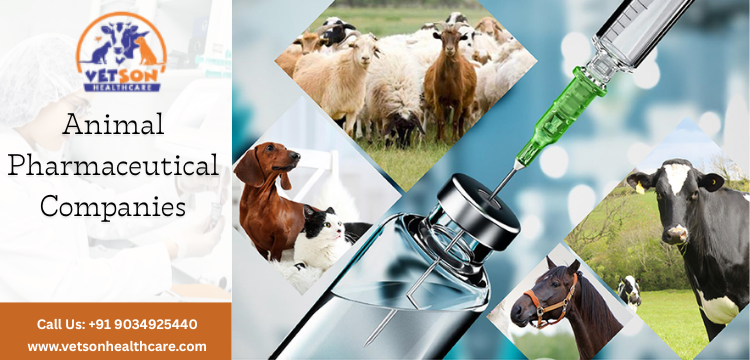
The health and well-being of our animal companions—from beloved pets to essential livestock—are inextricably linked to the advancements made in veterinary medicine. At the heart of this progress are the Animal Pharmaceutical Companies, a sector dedicated to researching, developing, and manufacturing the drugs, vaccines, and diagnostic tools that safeguard animal life. This comprehensive guide explores the vital contributions of these companies, the dynamic landscape of Vetsonhealthcare, and the future trends shaping how we care for the global animal population.
The Foundation of Animal Health: A Deep Dive into Veterinary Pharma
The animal pharmaceutical industry is a highly specialized branch of healthcare. Unlike human medicine, which focuses on a single species, veterinary pharma must address the diverse biological needs and diseases of companion animals (dogs, cats, horses), livestock (cattle, poultry, swine), and exotic species. This complexity requires profound scientific expertise and a commitment to regulatory compliance across multiple animal types.
The Three Pillars of Development
The core activities of Animal Pharmaceutical Companies rest on three main pillars:
- Preventive Medicine (Vaccines): Vaccines are arguably the most significant contribution to animal health, preventing devastating diseases like Canine Parvovirus, Feline Leukemia, and Foot-and-Mouth Disease in livestock. Global leaders like Zoetis and Boehringer Ingelheim Animal Health continually innovate to create more effective, multi-valent vaccines.
- Therapeutic Treatments (Medications): This includes a vast range of products: antibiotics, pain management drugs, anti-inflammatories, and specialized medications for chronic conditions like diabetes, arthritis, and heart disease in pets. The focus is shifting toward targeted, species-specific therapies to minimize side effects and improve efficacy.
- Nutraceuticals and Supplements: As pet owners and livestock managers prioritize wellness, the demand for high-quality nutritional supplements, joint health formulas, and gut health products is soaring. These preventive and supportive care items complement traditional pharmaceuticals.
The stringent research and development process for a new animal drug can take years, involving discovery, preclinical studies, clinical trials, and regulatory approval by bodies like the FDA in the US or the EMA in Europe. This rigorous journey ensures that every product is safe, effective, and of the highest quality before it reaches the hands of veterinarians and farmers.
The Dynamic Landscape of Vetsonhealthcare
Vetsonhealthcare is evolving rapidly, driven by global trends that place a higher value on animal welfare and food safety. The market is segmented but dominated by a few major players who are pushing the boundaries of what is possible in animal health.
Companion Animal Care: The Pet Humanization Trend
The rising trend of “pet humanization,” where pets are viewed as family members, has fueled significant spending on advanced Vetsonhealthcare. Pet owners are demanding the same level of care for their dogs and cats as they expect for themselves. This translates into:
- Advanced Diagnostics: Investment in sophisticated imaging (MRI, CT scans) and point-of-care testing allows for earlier and more accurate disease detection.
- Specialty Medicine: Demand for veterinary oncologists, cardiologists, and ophthalmologists, leading to the need for highly specialized pharmaceuticals.
- Chronic Disease Management: A focus on long-term treatments for conditions common in aging pets, like anti-pain therapies and dermatology products.
Livestock Health and Food Safety
For livestock, Animal Pharmaceutical Companies play a crucial role in supporting food security and sustainability. Healthy livestock means a safe and reliable food supply. Key areas of focus include:
- Antimicrobial Stewardship: The global movement to reduce the use of antibiotics in farm animals is forcing companies to innovate. This has led to an intense focus on alternative solutions, such as next-generation vaccines and probiotics, to maintain health without relying on traditional antibiotics.
- Disease Prevention and Biosecurity: Developing rapid diagnostics and robust vaccines to control contagious diseases like Avian Flu or African Swine Fever is critical for global trade and food supply stability.
- Productivity Enhancers: While controversial, certain products that enhance feed efficiency and growth remain important for sustainable and cost-effective meat, dairy, and egg production.
The ongoing innovation by Animal Pharmaceutical Companies ensures that both our cherished pets and the animals that sustain us receive the best possible care, driving the field of Vetsonhealthcare forward.
Future Trends: Innovation and Technology in Veterinary Medicine
The next decade of Vetsonhealthcare will be defined by technological integration and personalized medicine.
1. The Digital Health Revolution
Technology is reshaping how veterinarians practice and how pet owners monitor health:
- Telemedicine: Virtual consultations are breaking down geographical barriers, providing remote access to veterinary advice and follow-up care.
- Wearable Tech: Devices that monitor a pet’s vital signs, activity, and sleep patterns provide veterinarians with a continuous stream of data for proactive and preventive care.
- Artificial Intelligence (AI): AI is being used in diagnostics (e.g., faster, more accurate analysis of X-rays and pathology slides) and in drug discovery, speeding up the time it takes to bring a new treatment to market.
2. Personalized and Precision Medicine
Just as in human medicine, the future of veterinary treatment is moving towards customization. Genetic testing for breeds is becoming more common, allowing for personalized preventive care protocols. Furthermore, innovative Animal Pharmaceutical Companies are exploring advancements in gene therapy and stem cell treatments to address currently incurable conditions in animals, offering hope for truly revolutionary care.
3. Sustainability and One Health
The One Health concept—recognizing the interconnection between human, animal, and environmental health—is now central to the industry’s strategy. Vetsonhealthcare solutions are increasingly being developed with an eye towards environmental impact, minimizing pharmaceutical residue, and ensuring global animal populations do not act as reservoirs for zoonotic diseases that can jump to humans. This holistic approach ensures that the industry’s focus benefits all life forms.
Conclusion
The work of Animal Pharmaceutical Companies is more than just manufacturing drugs; it is about protecting the intricate web of life on our planet. They are the unsung heroes of animal welfare, driving scientific advancements that result in healthier pets, more sustainable farming, and a safer food supply for all. As technology continues to evolve and our commitment to animal welfare deepens, the future of Vetsonhealthcare looks brighter and more innovative than ever before. Choosing quality, evidence-based products is crucial for every veterinarian and animal owner seeking the best health outcomes.
❓ Frequently Asked Questions (FAQs)
Q1: How are veterinary pharmaceuticals different from human pharmaceuticals?
Veterinary pharmaceuticals must undergo specific testing and approval processes to ensure safety and efficacy across a wide range of animal species, including differences in metabolism, body weight, and disease presentation. A drug safe for a dog may be toxic to a cat, requiring distinct formulations. Furthermore, livestock drugs must adhere to strict withdrawal periods to ensure no harmful residues remain in meat, milk, or eggs intended for human consumption.
Q2: What is the biggest challenge facing Animal Pharmaceutical Companies today?
One of the most significant challenges is Antimicrobial Resistance (AMR). The industry is under immense pressure from global health organizations and regulators to reduce the use of antibiotics in animals to preserve their effectiveness for human medicine. This necessitates huge R&D investment into non-antibiotic alternatives, such as next-generation vaccines, bacteriophages, and immunomodulators, to maintain animal health and productivity responsibly.
Q3: What role does technology like AI play in the future of Vetsonhealthcare?
Artificial Intelligence (AI) is transforming multiple aspects of Vetsonhealthcare. In diagnostics, AI can analyze complex data (like X-rays or bloodwork) much faster and more accurately than the human eye, leading to earlier disease intervention. In drug discovery, machine learning algorithms can rapidly screen potential compounds, drastically accelerating the development of new, targeted, and effective animal treatments.